How to Reduce Risk on Your Job Sites with Proper Contractor Liability Coverage?
April 30, 2026
Managing risk on construction job sites is a constant challenge that requires careful planning, strict safety protocols, and strong financial protection strategies. From property damage and workplace injuries to third-party claims and project delays, contractors face a wide range of potential liabilities every day. Even with the most experienced crews and well-executed safety procedures, unforeseen incidents can occur, leading to costly legal disputes and financial setbacks. This is where proper contractor liability coverage becomes a critical component of risk management, offering a safety net that protects both operations and long-term business stability.
Understanding how to reduce risk through the right insurance coverage is essential for contractors aiming to maintain compliance, protect assets, and build trust with clients. Liability coverage does more than cover damages; it strengthens credibility, supports business continuity, and ensures preparedness for unexpected situations. By integrating comprehensive insurance policies with proactive risk management practices, contractors can significantly minimize exposure to financial and legal risks. This blog explores practical strategies, coverage insights, and expert approaches that help create safer, more resilient job sites while supporting sustainable business growth in a competitive construction environment.
Understanding Contractor Liability Coverage
What Contractor Liability Coverage Includes
Contractor liability coverage is designed to protect against claims arising from property damage, bodily injury, and operational risks associated with construction activities across various job site conditions. This coverage typically includes general liability insurance, completed operations coverage, and products liability protection for contractors. Each component plays a crucial role in safeguarding contractors from financial losses resulting from accidents or negligence claims during projects.
General liability insurance addresses third-party injuries and property damage that occur during active operations on construction sites daily. Completed operations coverage extends protection even after a project is finished, ensuring claims related to workmanship defects are covered effectively. Together, these policies create a comprehensive shield that supports business continuity and long-term financial protection for contractors.
Why Coverage Is Essential for Risk Reduction
Without adequate liability coverage, contractors face significant financial exposure in unpredictable and high-risk construction environments every single day. Legal fees, settlement costs, and repair expenses can quickly escalate, putting projects and business operations at serious financial risk. Proper coverage ensures that unforeseen incidents do not derail financial stability or disrupt ongoing construction timelines and commitments.
Additionally, many clients and project owners require proof of insurance before awarding contracts for construction work. Having robust liability coverage not only reduces risk but also enhances credibility, making it easier to secure high-value projects and long-term partnerships consistently.
Identifying Common Job Site Risks
Operational and Environmental Hazards
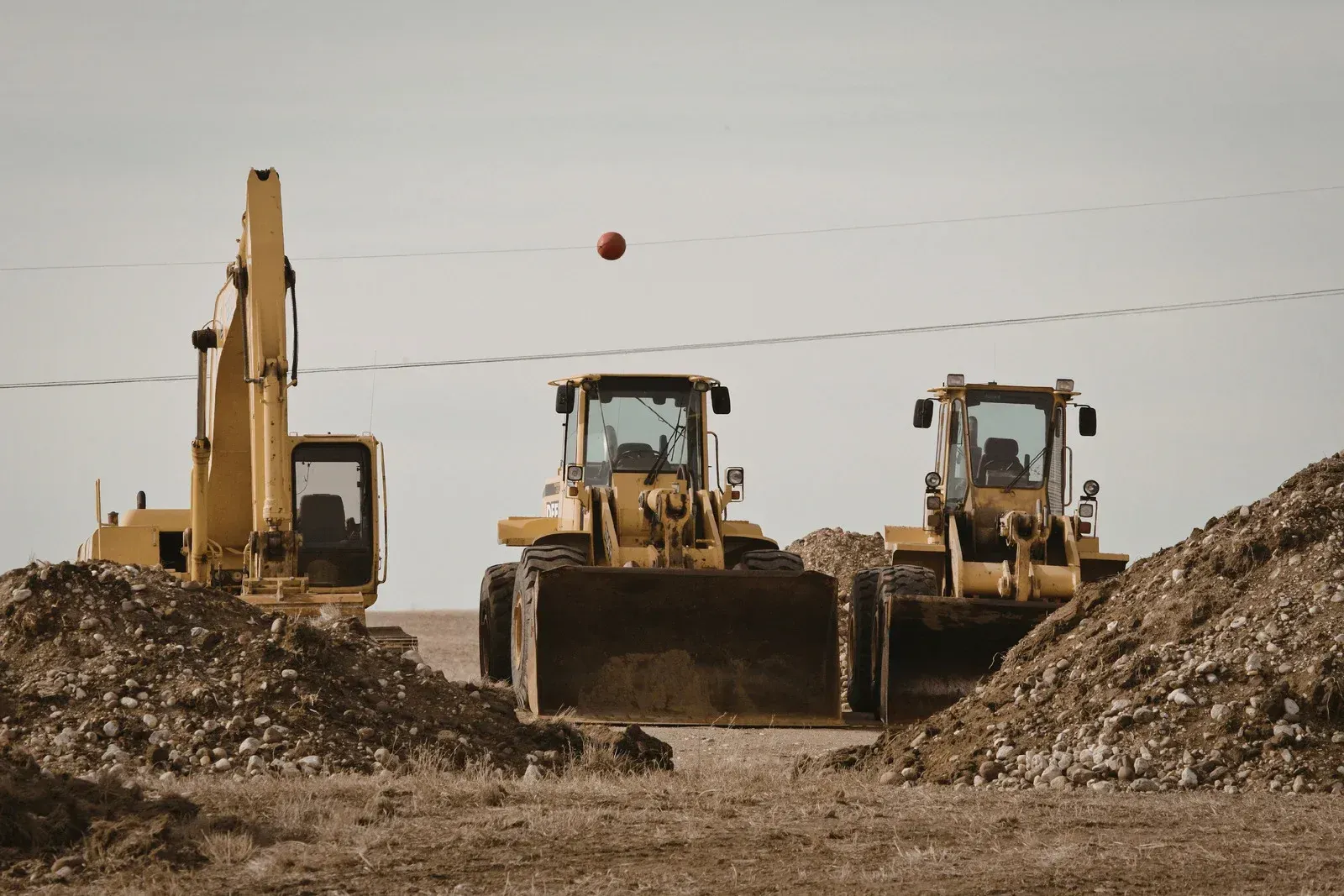
Construction sites are inherently risky environments, with hazards ranging from heavy machinery accidents to structural failures and equipment malfunctions. Environmental factors such as weather conditions, unstable soil, and confined spaces further increase risk levels on active job sites. These variables can lead to injuries, property damage, or delays if not properly managed through proactive planning and safety measures.
Liability coverage helps mitigate the financial impact of such incidents, but identifying risks beforehand is equally important for contractors. Conducting thorough site assessments and implementing preventive measures can significantly reduce the likelihood of accidents and costly disruptions.
Third-Party and Legal Risks
Job sites often involve multiple stakeholders, including subcontractors, suppliers, inspectors, and visitors, increasing complexity and exposure to liability risks. This increases the risk of third-party injuries and legal claims that can arise unexpectedly during project execution. For example, a passerby injured near a construction site may file a lawsuit, resulting in unexpected legal expenses and complications.
Proper liability insurance ensures coverage for such claims, while clear contractual agreements and communication protocols help minimize misunderstandings between all involved parties. Combining insurance with legal safeguards creates a stronger, more reliable risk management framework for construction businesses.
Integrating Insurance with Safety Practices
Aligning Coverage with Safety Protocols
Insurance should not function as a standalone solution; it must align with on-site safety practices implemented consistently across all job sites. Implementing strict safety protocols, such as regular equipment inspections, employee training, and hazard communication systems, reduces the likelihood of incidents significantly.
When safety measures are integrated with liability coverage, contractors create a dual-layered approach to risk management that strengthens overall protection. This not only minimizes claims but also demonstrates a commitment to workplace safety, which can positively impact insurance premiums over time.
Training and Compliance Strategies
Proper training ensures that workers understand safety procedures and operational standards required for maintaining safe and compliant construction job sites. Regular safety meetings, certification programs, and compliance audits help maintain a high level of awareness across job sites consistently.
Insurance providers often assess safety records when determining premiums for contractor liability coverage policies and risk evaluations. By maintaining strong safety performance, contractors can benefit from lower insurance costs while reducing the frequency and severity of claims significantly. This proactive approach strengthens both operational efficiency and long-term financial protection strategies.
Customizing Coverage for Specific Projects
Tailoring Policies to Project Scope
Not all construction projects carry the same level of risk, as project size, complexity, and environment vary significantly. Residential projects, commercial developments, and infrastructure work each present unique challenges that require different levels of insurance protection. Customizing liability coverage to match project scope ensures adequate protection without unnecessary expenses or coverage gaps.
For instance, large-scale commercial projects may require higher coverage limits due to increased exposure and higher potential risks. Smaller residential jobs may need more targeted policies that address specific risks without excessive coverage costs. Evaluating project-specific risks allows contractors to select appropriate coverage levels that align with operational needs.
Addressing Subcontractor and Vendor Risks
Subcontractors and vendors play a significant role in construction projects, but they also introduce additional liability risks that must be managed carefully. Ensuring that all subcontractors carry their own insurance coverage is a critical step in reducing overall project risk exposure.
Requiring certificates of insurance and including indemnification clauses in contracts helps transfer certain risks away from primary contractors effectively. This layered approach to coverage ensures that all parties involved share responsibility for potential liabilities, reducing overall exposure significantly.
Leveraging Claims Management and Documentation
Importance of Accurate Documentation
Proper documentation is essential for effective claims management and plays a critical role in protecting contractors during disputes or legal proceedings. Maintaining detailed records of contracts, safety inspections, incident reports, and communications provides valuable evidence in case of disputes or claims.
Accurate documentation helps streamline the claims process, ensuring faster resolution and reducing legal complications that could delay project completion. It also supports transparency, which can strengthen relationships with clients, insurers, and other stakeholders involved in projects.
Efficient Claims Handling Practices
When incidents occur, prompt and efficient claims handling is crucial for minimizing financial losses and maintaining project continuity. Reporting claims quickly, cooperating with insurers, and providing complete documentation can significantly impact the outcome of a case positively.
Having a clear claims management strategy in place ensures that issues are addressed proactively, minimizing disruptions to ongoing construction projects and timelines. This approach not only protects financial interests but also reinforces professionalism and reliability within the construction industry.
Long-Term Benefits of Proper Liability Coverage
Financial Stability and Business Growth
Investing in comprehensive liability coverage provides long-term financial security and stability for contractors operating in competitive construction markets. By reducing exposure to costly claims, contractors can allocate resources more effectively and focus on growth opportunities confidently.
Strong insurance coverage also supports business expansion by enabling contractors to take on larger and more complex projects with confidence and assurance. This stability is essential for maintaining competitiveness in a demanding and ever-evolving construction industry environment.
Building Trust and Industry Reputation
Clients and stakeholders value contractors who prioritize risk management and financial responsibility in all aspects of construction operations. Proper liability coverage demonstrates professionalism and reliability, which can lead to repeat business and positive referrals over time.
A strong reputation for safety and accountability enhances market positioning, making it easier to establish long-term partnerships with clients and stakeholders. Over time, this trust becomes a valuable asset that contributes to sustained success and business growth.
Dedicated Insurance Experts Strengthening Contractor Business Security
Reducing risk on construction job sites requires a balanced approach that combines proactive safety measures with comprehensive contractor liability coverage. From identifying potential hazards and aligning insurance with safety protocols to customizing policies and managing claims effectively, each step plays a critical role in minimizing exposure to financial and legal risks. Proper coverage not only protects against unforeseen incidents but also strengthens operational resilience and supports long-term business growth.
Contractors who prioritize risk management through well-structured liability coverage gain a competitive advantage by ensuring compliance, enhancing credibility, and building trust with clients. This strategic approach creates a safer working environment while safeguarding financial stability, making it an essential component of successful construction operations.
Choosing the right partner for insurance solutions is equally important in achieving these goals. Elite Contractors Insurance Services, based in San Diego, California, brings 16 years of industry expertise in delivering tailored insurance solutions for contractors. With a deep understanding of construction risks and coverage requirements, we provide reliable guidance and comprehensive policies designed to protect job sites and businesses alike. Our commitment to quality service, risk management excellence, and client-focused solutions ensures that contractors receive the support needed to operate confidently and securely in a challenging industry landscape.